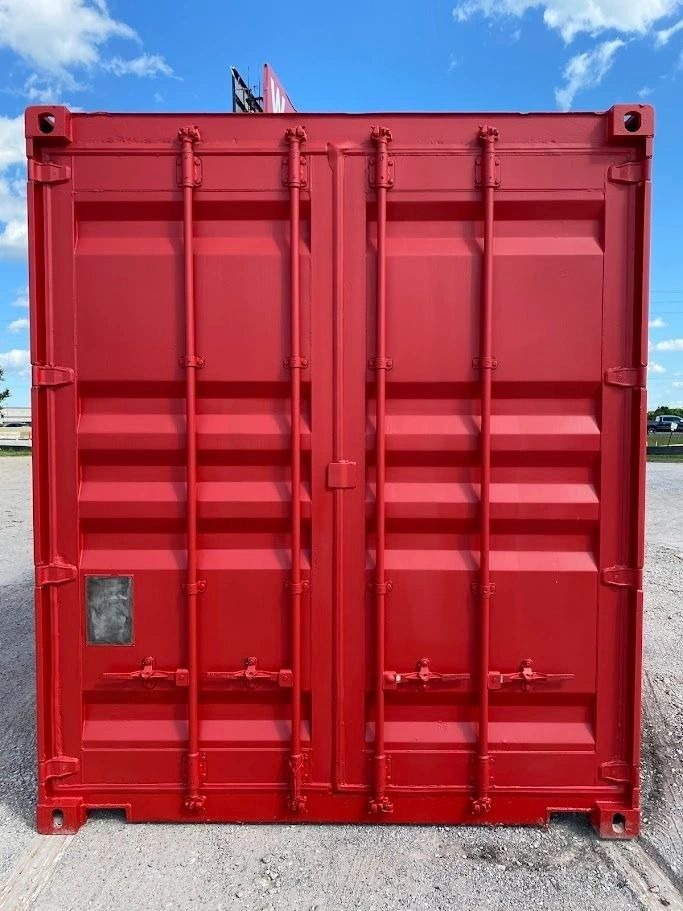
Why Is There All This Fuss About Container 45 Ft?


Understanding the 45 Ft Container: Dimensions, Uses, and Advantages
When it comes to shipping and logistics, containers play a pivotal role in transferring items around the globe. Amongst the various container sizes available, the 45-foot container stands out due to its size and versatility. stay with me explores the specifications, utilizes, advantages, and other essential aspects of a 45 ft container, making it an important read for companies and people associated with the logistics and shipping industry.
Tabulation
- Introduction
- Requirements of the 45 Ft Container
- Advantages of Using a 45 Ft Container
- Common Uses of 45 Ft Containers
- Contrast with Other Container Sizes
- Frequently Asked Questions (FAQs)
- Conclusion
Specs of the 45 Ft Container
The 45-foot container is bigger than the standard 20-foot and 40-foot containers, offering extra space for freight. Below are its essential dimensions and specifications:
| Specification | 45 Ft Container |
|---|---|
| External Length | 45 ft (13.72 meters) |
| External Width | 8 ft (2.44 meters) |
| External Height | 9.5 ft (2.59 meters) |
| Internal Length | 44.5 ft (13.56 meters) |
| Internal Width | 7.7 ft (2.35 meters) |
| Internal Height | 8.5 ft (2.59 meters) |
| Maximum Cargo Capacity | Around 30,480 kg |
| Maximum Volume | Roughly 85 cubic meters |
These dimensions make the 45 ft container appropriate for carrying a wide range of products while maximizing storage effectiveness.
Advantages of Using a 45 Ft Container
Using a 45-foot container provides several advantages over smaller-sized containers. Here are some of the crucial benefits:
- Increased Storage Capacity: The larger space accommodates more goods, which indicates fewer journeys are needed, optimizing the shipping process and decreasing expenses.
- Adaptability: The 45 ft container can transport a vast array of items consisting of textiles, electronic items, vehicle parts, and even furniture. Its style enables efficient loading and discharging.
- Cost Efficiency: Although the initial cost may be higher, shipping more goods simultaneously in a larger container leads to reduced transportation costs in time.
- Resilience: Manufactured from top-quality steel, these containers are created to hold up against harsh ecological conditions. This makes sure that the cargo remains safe throughout transit.
- Eco-Friendly Options: Many shipping companies are significantly utilizing energy-efficient techniques and environment-friendly practices, making larger containers a more sustainable choice.
Typical Uses of 45 Ft Containers
The 45-foot container is extensively employed across numerous markets. A few of the most common usages include:
- International Shipping: Ideal for shipping items worldwide, particularly for freight that is too bulky or various for standard-sized containers.
- Momentary Warehousing: Businesses typically utilize these containers for storage on website throughout heavy operations or renovations.
- Modular Construction: Increasingly, business are repurposing 45 ft containers for constructing structures such as workplaces, homes, and shops.
- Car Transportation: With the proper adjustments, 45 ft containers can be used to transport cars and motorbikes.
- Cold Chain Logistics: Many 45 ft containers are equipped with refrigeration units, making them appropriate for transferring perishable items.
Comparison with Other Container Sizes
Understanding how the 45 ft container compares to basic container sizes is vital for logistics preparing. Below is a comparative introduction:
| Container Size | External Length | Capacity (max) | Best Suited For |
|---|---|---|---|
| 20 Ft | 20 ft (6.06 m) | 22,000 kg | Little shipments, personal items |
| 40 Ft | 40 ft (12.19 m) | 26,000 kg | Standardized cargo, bulk deliveries |
| 45 Ft | 45 ft (13.72 m) | 30,480 kg | Large items, multiple products, Eco-friendly choices |
The 45 ft container notably supplies improved capacity for heavier loads compared to 20 ft and 40 ft containers.
Regularly Asked Questions (FAQs)
1. What just click the following article of cargo can be transported in a 45 ft container?
- The 45 ft container appropriates for different kinds of cargo, consisting of basic freight, heavy machinery, disposable goods (in refrigerated variations), and even cars.
2. Can 45 ft containers be stacked?
- Yes, 45 ft containers can be stacked, however it is essential to follow security policies and ensure proper balance and weight distribution.
3. Are 45 ft containers available for lease?
- Numerous shipping companies and logistics companies use rental alternatives for 45 ft containers, making them available for short-lived usage.
4. Just how much does a 45 ft container weigh?
- The empty weight of a 45 ft container usually varies from 3,900 kg to 4,500 kg.
5. What licensing is needed to transfer a 45 ft container?
- Licensing requirements can differ based upon the nation and guidelines in the shipping industry. Freight carriers typically need to be licensed to run heavy lorries.
In summary, the 45 ft container is a useful and flexible option for various shipping and logistics needs. Its increased storage capacity, expense performance, and flexibility to diverse cargo types make it an invaluable asset for businesses across industries. Whether you're shipping products globally, looking for temporary storage, or venturing into modular construction, understanding the requirements and benefits of a 45 ft container can greatly improve your logistics strategy. For additional inquiries, please describe your local shipping companies or logistics professionals to explore the best choices suited for your requirements.